






| Membership | Price |
|---|---|
| Student | $55/year |
| Single | $85/year |
| Single Plus | $120/year |
| Family | $130/year |
| Family Plus | $175/year |
| Contributing | $250/year |
| Supporting | $500/year |
| Sustaining | $1,000/year |
| Benefactor's Circle | $2,500/year |
| Director's Circle | $5,000/year |
| President's Circle | $10,000/year |


Magnolia Collection
Saucer magnolias produce spectacular flowers in a range of colours, from white and cream to pale to deep pink, purple, rose and less commonly soft yellows. Featuring large, delicate petals on towering trees, don’t miss this ephemeral collection each spring.
Special Events
There’s plenty to do this season at RBG.
Special events require tickets separate from Garden Admission or Membership.
Taste of the Gardens
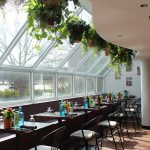
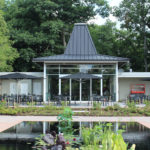
With two restaurants and a newly renovated full-service tea house on-site, Royal Botanical Gardens is your destination for dishes inspired by fresh, seasonal ingredients.
- Tea House at Turner Pavilion, Hendrie Park
- Greenhouse Café, RBG Centre
- Rock Garden Bistro, David Braley and Nancy Gordon Rock Garden
Book Your School Field Trips
Our educational field trip programs use active exploration and activities to engage students, and to immerse them in the natural world. Book an in person program, self-guided visit, or virtual field trip!
Give the Gift of RBG!
Gift Certificates now available
NEW gift certificates are purchasable online or in-person and provide unforgettable memories that last a lifetime.
Purchasable online or in-person.
Where People, Plants and Nature Cultivate Unforgettable Experiences
-
4
cultivated garden areas
-
27
km of nature trails
-
2,400
acres of nature sanctuaries
-
300
acres of cultivated gardens
-
50+
species at risk
-
6,800+
taxa (unique types)
-
234,000+
individual plants
- Explore RBG
RBG Gardens & Trails
View the mapRoyal Botanical Gardens is Canada’s largest, with over 2,400 acres of gardens and nature sanctuary that spans Hamilton and Burlington Ontario. Use the button below for an overview of RBG’s properties.
Our park map is a high-resolution image (about 6MB). To save bandwidth, we will only load the map when you request it.
Things to See
April 30, 2024
It’s tulip time 🌷. Nature’s paintbrush is at work – behold some of the stunning tulips now in bloom at RBG!
📍 Hendrie Park &…
April 29, 2024
🔎 Native spring ephemerals are bursting into bloom in Hendrie Park's Kippax Garden. Kippax Garden showcases a variety of native plants…
April 29, 2024
Looking for the perfect Mother's Day gift for your nature-loving Mom? 🌿 You'll find a treasure trove of delights at RBG's Garden Shop!…
April 28, 2024
The gardens are waking up 🌷 Daffodils and even a few tulips in the sunniest spots of the garden are displaying a breathtaking display …
April 27, 2024
Immerse yourself in the stunning blooms of our Breezeway! Our Indoor Horticulturist begins crafting a brand new display next week, so don…
April 26, 2024
Approaching the finale 🌸 The Prunus 'Accolade' and Prunus x yedoensis have progressed just past their peak bloom. While their leaves a…
April 26, 2024
Immerse yourself in a summer of music with Music in the Garden presented by Noisemaker (@noisemakerpresents)! This four-part concert seri…
April 25, 2024
Planting for a greener future at RBG! 🌳 Our passionate staff and volunteers have united their efforts along the ravine edge at Hendrie…
April 25, 2024
Magnolias sure are happy with this sunshine ☀️ Buds of some of the Saucer magnolias are beginning to bloom. Some individual trees, li…
April 24, 2024
🌳 Trees play a vital role in sequestering carbon and maintaining the balance of our planet’s atmosphere, contributing significantly …
April 23, 2024
Fluffy blooms fill the air 🌸☁️ . At peak bloom, the flowering cherry trees are a reminder to appreciate the beauty of the present.…
April 22, 2024
A message from our CEO Nancy Rowland, reminding us that at RBG, every day is Earth Day 🌎
The Royal Botanical Gardens serves as the …
April 22, 2024
Happy Earth Day from RBG! With 2,700 acres of land and ecosystems under our care, including 2,400 acres of nature sanctuaries and 300 acr…
April 21, 2024
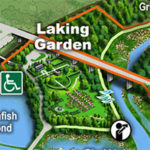
Cherry blossoms are undoubtedly beautiful, but keep an eye out for plum, pear, and nectarine at Laking Garden for some equally captivatin…
April 20, 2024
🌸 Now blooming: This weekend, Prunus ‘Accolade’ and Prunus x yedoensis are expected to reach peak bloom, while Prunus x yedoensis …
April 20, 2024
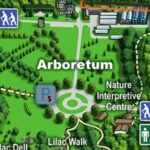
Just like that, spring is rushing in! Star magnolias are reaching peak bloom. You'll find groupings of trees at the Arboretum and individ…
April 19, 2024
🍽️ A new seasonal menu is available NOW at the Rock Garden Bistro! Celebrating the flavors of spring and summer, the new menu featur…
April 19, 2024
Secret garden vibes anyone? Signs of spring can be found across the terraced landscape of Laking Garden. Daffodil lovers, it’s your tim…
April 18, 2024
🌸 We’re back in the Arboretum with a windy bloom update! Despite the mid-week wind and rain knocking off some early blossoms, the tr…
April 17, 2024
Ready for an unforgettable summer at Rock Garden? RBG After Dark makes its return as a monthly 19+ after hours series that allows you to …
April 17, 2024
As Nature's Superheroes draws to a close, we extend our heartfelt gratitude to The Hamilton Spectator, Stoneridge Insurance Brokers, and …
April 16, 2024
🌸 Bloom Update with RBG’s Curator of Living Collections: The flowering cherry trees at the Arboretum are currently at ~30% bloom. Th…
April 15, 2024
So it begins! The Flowering Cherry (Sakura) Collection has started to bloom 🌸.
At this time, the buds are beginning to open on some t…
April 15, 2024
RBG would like to thank the remarkable people who give so much of themselves to the benefit of our organization, our community and the na…
April 14, 2024
🥣 Soup season isn’t over just yet! Jump behind the scenes with Chef Dave to make his favourite Rock Garden Bistro dish ... French On…
Things to Do

Member Benefits
Members have access to the following benefits when presenting their membership card and one piece of photo identification.
- Unlimited Visits All Year Round
- Specialty Food, Gift & Program Discounts
- Pre-Sales for Special Ticketed Events
- Subscription to Members' Magazine, Paradise Found
- Free admission to RBG's Winter Exhibit
- Free Admission and Discounts at Botanical Gardens Across North America
Benefits are subject to change at any time.
