





| Membership | Price (+HST) |
|---|---|
| Single | $85/year |
| Single Plus | $120/year |
| Family | $130/year |
| Family Plus | $175/year |
| Contributing | $300/year |
| Supporting | $600/year |
| Sustaining | $1,000/year |
| Benefactor's Circle | $2,500/year |
| Director's Circle | $5,000/year |
| President's Circle | $10,000/year |


Rewilding the Arboretum: Letting Nature Lead
September 8, 2026
By Jon Peter, Director of Horticulture
Royal Botanical Gardens has always been a place where cultivated beauty meets ecological stewardship. As environmental pressures intensify across the region – from biodiversity loss to climate instability – we’re evolving how we care for the land. One of the most meaningful shifts underway at the Arboretum is our commitment to rewilding: a strategy that gives natural processes more room to function, flourish, and heal.
Rewilding – sometimes called wildscaping, naturalistic or ecological gardening is not a retreat from horticulture. It’s a deliberate, science‑guided approach that supports richer biodiversity, greater resilience, and a deeper connection between visitors and the natural world. Landscapes are healthiest when they are allowed to be dynamic, layered, and alive, and rewilding helps us move in that direction.

Why Rewilding Matters Now
Across Ontario, landscapes have become increasingly simplified: mown lawns, tidy edges, and controlled plantings that look orderly but often struggle to support ecological function. Rewilding helps reverse that trend by allowing plant communities to grow more naturally, creating habitat, improving soil health, and supporting pollinators and wildlife.
For the Arboretum, this approach strengthens our role as a leader in ecological restoration. It demonstrates how botanical collections and naturalized spaces can coexist, and how public gardens can help rebuild the ecological complexity that once defined this region. Rewilding represents a lasting shift in how we steward the land, shaping a more resilient future for the Arboretum and the ecological corridor it anchors.
How Rewilding Works on the Ground
Rewilding is often misunderstood as “letting things go,” but in practice it is highly intentional. Staff carefully assess where reduced mowing, naturalized plantings, and habitat restoration will have the greatest ecological benefit while still supporting visitor experience.
A key part of this work is creating soft landings beneath mature trees. For decades, many of these trees have stood in expanses of closely mown turf. While visually tidy, short grass under trees creates ecological stress: shallow roots, compacted soil, reduced moisture retention, and limited habitat for beneficial insects and ground‑dwelling species. Mown turf also competes with trees for water and nutrients and offers little protection against erosion.
Allowing grasses and herbaceous plants to grow taller beneath these trees creates a soft landing – a cushion of vegetation that protects the soil, supports deeper root systems, and helps the trees thrive. Tall grass and native groundcover act like a living mulch, keeping the soil cooler, holding moisture, and reducing compaction. These areas also become microhabitats, supporting pollinators, birds, and small mammals that rely on layered vegetation for food and shelter.
In contrast, mown grass under trees dries quickly, erodes easily, and provides little ecological value. Over time, this can weaken mature trees, making them more vulnerable to drought, pests, and disease. Rewilding helps reverse those impacts, giving these trees the healthier growing conditions they need to continue anchoring the Arboretum’s collection for generations.
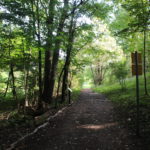
Beyond soft landings, rewilding at the Arboretum includes removing invasive plants, monitoring ecological change, and designing naturalized areas that remain welcoming and beautiful. Paths are maintained, sightlines are preserved, and transitions between mown and unmown areas are thoughtfully shaped so visitors can explore comfortably while still experiencing the richness of a more natural landscape.
The Benefits of a More Natural Arboretum
As rewilded areas mature, the Arboretum is already seeing improvements. Insects are more abundant, and soil structure will become healthier and more resilient. Naturalized meadows and soft landings create movement, colour, sound, and textural interest that shift throughout the year. These spaces require time to diversify, but once thriving, they demand far less long‑term maintenance than traditional turf.
Visitors also benefit from a landscape that feels more immersive and alive. Rewilded areas invite curiosity, encourage exploration, and help people connect more deeply with the ecological heritage of the region.


What About the Ticks?
We know this is a common question. Ticks are present across Ontario in forests, lawns, parks, and even backyards. Their presence is influenced by wildlife movement, climate, and regional ecology – not simply by the height of vegetation.
Rewilding does not automatically increase tick populations. Naturalized areas can support birds and small mammals that help keep tick numbers in check. At the Arboretum, rewilded zones are designed with visitor safety in mind: clear paths, maintained edges, and open sightlines reduce the likelihood of contact. Simple precautions – staying on trails, wearing long pants, using repellent, and doing tick checks are effective in any natural area, rewilded or not.
Growing Toward the Future
Rewilding at the Arboretum is an evolution in how we care for the land. It reflects our commitment to ecological leadership, scientific stewardship, living collections development and meaningful visitor experiences. As these spaces grow and change, they will become richer, more resilient, and more reflective of the natural heritage we are working to protect.
We gratefully acknowledge the Cliff Carson Family Foundation, the Holdbest Foundation, Mary Gilmour, and Ted Bossence for their commitment to supporting the stewardship of the Arboretum’s living landscapes.
More from the RBG Blog
Check out RBG’s blog for announcements, articles, and more from Canada’s largest botanical garden.
Want to be sure you hear first? Sign up for our weekly e-newsletter to hear about upcoming events, weekend activities, articles, and more!
