







| Membership | Price (+HST) |
|---|---|
| Single | $85/year |
| Single Plus | $120/year |
| Family | $130/year |
| Family Plus | $175/year |
| Contributing | $300/year |
| Supporting | $600/year |
| Sustaining | $1,000/year |
| Benefactor's Circle | $2,500/year |
| Director's Circle | $5,000/year |
| President's Circle | $10,000/year |

Cootes Paradise Marsh Restoration Status – 2026
June 11, 2026
By Tys Theijsmeijer, Senior Director of Ecosystem Stewardship Programs and Policy
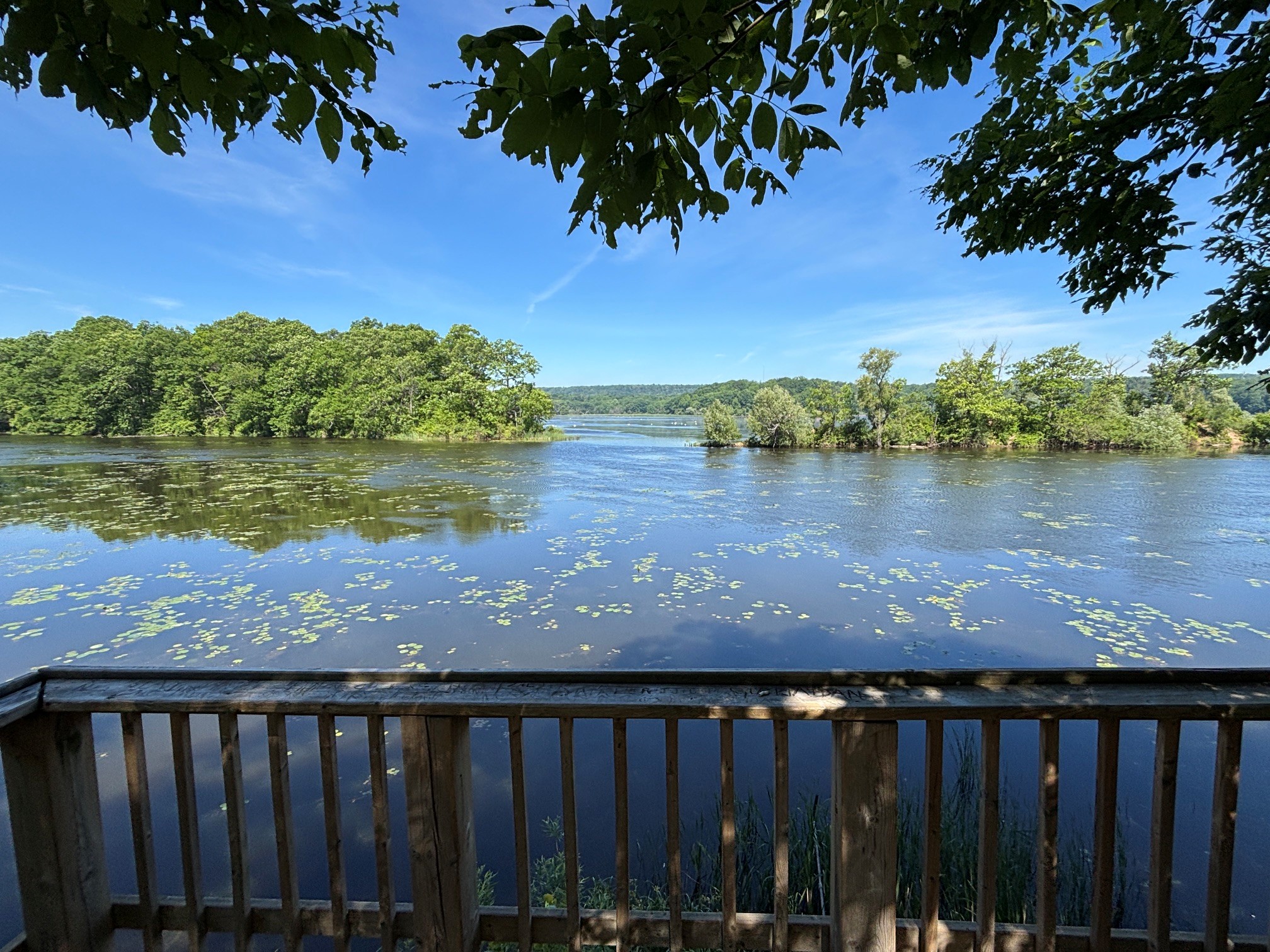
So far, 2026 has been another year of encouraging progress for marsh recovery. As of early June, the waters are generally clear—an impressive sight—except around water inflow areas where conditions remain more variable. Overall, the aquatic plant community is thriving. Cootes Paradise once again looks and functions like a marsh: abundant aquatic vegetation and clear water, two key indicators of restoration success, are evident throughout much of the system.
In addition, this year has seen the fewest large Common Carp observed in Cootes Paradise since the Fishway/carp barrier was installed in 1996. This outcome was aided by exceptionally low water levels in November 2025, which encouraged most fish to move out of the marsh and into deeper waters for the winter. The Fishway continues to play a critical role in maintaining these gains and will again be operating on Father’s Day this year (June 21) and allow for an up close look at a carp.
What are we watching for in 2026? The establishment and expansion of longer-lived, later-successional aquatic plant species particularly water lilies and pondweed species. Currently, much of the aquatic vegetation in Cootes Paradise is dominated by a single early-successional species, Leafy Pondweed (Potamogeton foliosus). For new seedling plants, establishment may be somewhat challenging this year, as water levels are relatively high for June, averaging approximately 120 cm (4 ft) in depth across much of the marsh.
One unexpected development this year was the dramatic rise in water levels during April and May. Water levels increased by approximately 65 cm between late March and late May, shifting conditions from relatively low to relatively deep water. This occurred because outflows from Lake Ontario were temporarily reduced to minimize downstream flooding associated with a rapid and intense spring snowmelt event. As a result, marsh water levels rose substantially, creating a different set of growing conditions than those experienced in recent years.
Despite these higher water levels, restoration indicators remain positive, and the marsh continues to demonstrate strong resilience and recovery. Conditions are expected to allow for a very successful reproductive season more many marsh fish and wildlife species.
Site specific environmental conditions notes:
- Most of Cootes Paradise Marsh – generally clear and with new dense aquatic vegetation!
- Chedoke Creek inlet by Princess Point – green and dominated by algae, with elevated bacteria levels affected by poor watershed conditions
- Dundas Wastewater Inlet/Desjardins Canal Area – green and dominated by algae
- Spencer Creek – variable from clear to brown depending on rain events, and most negatively affected by Borers Creek flowing from Waterdown Area
- Grindstone Marsh – a mix of water conditions from clear water and dense plants, to murky, with the main outer bay and lacking it’s plant community
- Grindstone Creek – variable from clear to brown depending on rain events and carp resuspension of sediment, flowing from Waterdown Area
To see specific water quality data information, visit Great Lakes DataStream, an open data portal where many organizations add information. Overall, the local water conditions continue to improve.
More from the RBG Blog
Check out RBG’s blog for announcements, articles, and more from Canada’s largest botanical garden.
Want to be sure you hear first? Sign up for our weekly e-newsletter to hear about upcoming events, weekend activities, articles, and more!
